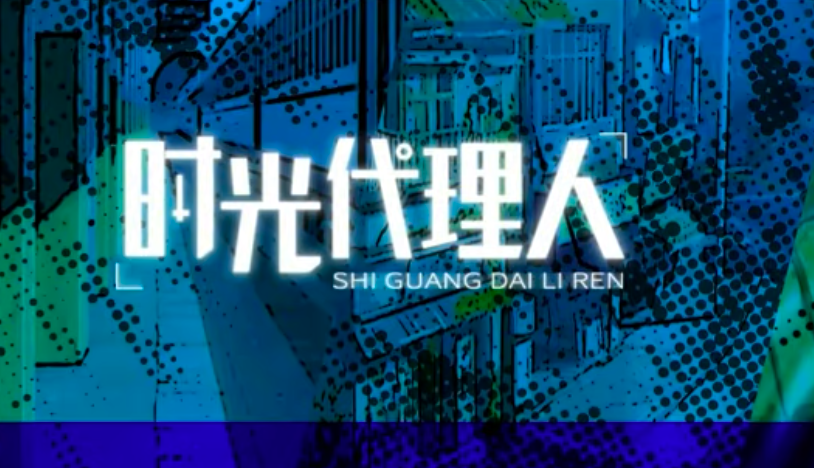
Can Christians Watch Link Click? Parent Guide & Christian Review of Season 1
In our review of Link Click Season 1, we will explore the anime (donghua specifically) from a Christian perspective. Includes a content guide.
Quick Facts
- Rating: 14+ for drug/alcohol use, violence, profanity, and suicide
- Language: English Dub
- Available On: Crunchyroll
- Source Material: Donghua
- Genres: Fantasy, crime, drama, mystery, sci-fi
- Episodes: 12 (Season 1)
Quick Content Guide
- Language: Some strong language including a couple uses of “j*ez,” about 9 uses of “h*ll” and related terms, one use of “b*tch,” a few uses of “b*st*rd,” and around 20 uses of “d*mn” and related. Other uses are outlined in the full content guide.
- Sex and Nudity: A camera angle focuses on a female character’s clothed bottom. A boss attempts to kiss his employee. Short skirts, shorts, and crop tops appear. A martial arts move called “snatch the plums” is mentioned. Cheng references a male physical reaction to a pretty girl.
- Frightening and Intense Scenes: Abuse, kidnapping, and innocent deaths occur. Injuries, a car accident, suicide, possession, and an intense finale are depicted.
- Violence and Gore: Fighting, harm, blood, and gory homicide photos appear.
- Substance Use: Wine and smoking occur. Poisoning is depicted, as well as an accidental chloroform knockout. Peer pressure to drink occurs, and adverse side effects of drinking are shown.
This quick guide is not all encompassing. See content guide below for more detail.
My Rating
Link Click Season 1 Synopsis: What is Link Click About?
In the Chinese anime Link Click, Lu Guang and his best friend, Cheng Xiaoshi, possess a unique and complementary set of powers: Cheng can travel into the past through photographs while Lu guides him from the present. Together, they run a photo studio and take on clients seeking answers from their past or haunted by deep regret. Lu insists they must always leave the past untouched. Cheng, however, doesn’t mind rewriting the past—even if it’s risky.
Link Click Season 1 Christian Anime Review: Time Travel, Regret, and Redemption
Season 1 of Link Click (also known as Shiguang Dailiren) is a Chinese time-travel anime that balances thrilling crimes with emotional, character-driven storylines. Chinese animation is known as donghua, which is what classifies Link Click (however, some people still may classify it as anime, so I try to use a mix of both terms in my review). The first episode ends with a huge cliffhanger.
Rafael Motamayor of Slash Film described Link Click as “a complex time-traveling thriller that is also an emotional story about regret” (source).
Season 1 opens with a major cliffhanger, only fully addressed in its final episodes. Each episode focuses on a short story lasting 1-3 episodes, and throughout the 12 episodes, we get a glimpse into the lives of various citizens who struggle with regret or need information from the past. Some episodes focus on relational regret, others focus on obtaining information that leads to healing in the present, and still others on helping a desperate father solve the mysterious disappearance of his son.
Additionally, there’s the storyline introducing the martial arts instructor, Liu Siwen, and his desire to win the hand of the woman he loves. This happens in episode 5.5, considered “a special episode unrelated to the main story line.” Though truly a standalone episode, it’s a heartwarming story of perseverance, and introduces characters who later become useful allies of the Time Photo Studio, Lu and Cheng’s small business.
English Dub Cast: Familiar Voices Bring Depth to Link Click
Link Click has a host of renowned voice actors. The Link Click English dub cast includes Alejandro Saab (remember him as Miyamura from Horimiya?), who stars as Cheng, and Zeno Robinson, who stars as Lu (also from Horimiya, he voices Tohru, Miyamura’s best male friend). Their reunion from Horimiya adds a layer of nostalgia for fans and brings believable depth to their new character dynamic.
However, Saab and Robinson aren’t the only well-known voice actors in the show; we also get Hori’s voice actress, Marisa Duran, and Austin Tindle (Nina the Starry Bride), among many other prominent voice actors (here’s a list).* The cast shines, and it’s rewarding to hear the characters come to life through their voices. I generally stick with English dubs when watching anime, so I haven’t watched it in other languages to compare the performances of their voice actors.
*When I highlight certain voice actors in my posts, it isn’t meant as a ranking or judgment of who did the “best” job. I usually point out actors I personally recognize from other series, or those who connect to shows I’ve already covered on Renewed Mind Reviews. Sometimes that means I’ll mention a side character over a secondary one, or get excited about a VA with just one line while skipping others I’ve written about before. That doesn’t mean I don’t like or respect them—it’s simply a not-at-all-formulaic process based on what comes to mind while I’m writing.
Strengths of Link Click Season 1: Storytelling, Redemption, and Character Arcs
Cheng Xiaoshi has a huge heart, and he often listens to his heart over the advice of his best friend and guide, Lu.
Lu is very pragmatic; he has strict rules that he believes must be followed every time they enter a photograph—twelve hours total, and no altering the past. Cheng often pushes the boundaries, trying to save others in ways that often prove disastrous for the main timeline. Though Cheng’s impulsive choices often cause complications, they also reveal a heart that longs to help others not just survive, but live with freedom and peace.
Cheng and Lu’s Powerful Partnership in the Anime Link Click
Cheng doesn’t just jump into the photo as himself. He becomes whoever took the photo—experiencing their thoughts and memories—yet he remains himself throughout the process. Lu guides Cheng mentally throughout his journey—offering guidance, insight, and direction to maximize the 12 hours Cheng spends in the photo. Cheng goes through many traumatic experiences. He watches people die, gets kidnapped, and watches others get possessed by evil. Despite enduring all this, he continues using his gift to help others.
Their differing personalities create a powerful dynamic—Cheng’s empathy comes from directly experiencing the thoughts and feelings of the person he’s inhabiting, whereas Lu’s comes from his understanding of the whole picture. Cheng experiences everything firsthand, which makes his role emotionally exhausting.
Healing and Regret in Link Click: When Helping Others Leads to Inner Growth and Forgiveness
While past regret is a central theme in Link Click, the story also places strong emphasis on healing. Cheng desires to heal and restore relationships—whether between a parent and their child, best friends, or love interests. He fights to bring healing to these broken relationships.
As Rafael Motamayor puts it:
“He [Cheng] knows he can’t change the past for them, but maybe he can find something in the past that gives their present a new and better meaning. The result is a life-affirming show about letting go of past mistakes, and appreciating what you have.” (Source)
Life-affirming stories are rare blessings, and Link Click is one that stands out. The healing in Link Click doesn’t come only from Cheng—it also depends on the choices made by the people he helps. After receiving new insight from Cheng and Lu, many begin to take active steps toward healing. They seek to mend broken relationships or apply what they’ve learned to reshape their future—living with greater purpose and less regret.
The show also touches on themes of repentance and atonement. In one storyline, Qiao Ling—a childhood friend of Cheng’s and receptionist at the Time Photo Studio—wrestles with guilt over withholding a key piece of information that could have solved a devastating crime. She seeks to atone by admitting her silence and stepping forward to help solve the case. In a powerful moment of grace, the person she wronged forgives her.
Qiao Ling is a key player in the Time Photo Studio; not only does she serve as the main reoccurring female character, she handles the clients even without knowing the full extent of Lu and Cheng’s abilities. At first, her character seems unnecessary. As the story progresses, so does her character, developing her into an unwavering ally.
And even Cheng, in Episode 11, admits that he came to the past to help atone for his own mistakes.
Regret plays a powerful role in many of our lives, and Link Click doesn’t shy away from portraying its complexity. However, in many cases, the show resolves regret by time traveling. (One exception is Qiao Ling’s resolution through repentance and forgiveness, a Biblical way of dealing with regret). In reality, through Christ, we can find freedom from the burden of regret, and we can find forgiveness of past mistakes (2 Cor. 5:17 and Psalm 32:5).
Perseverance is another major theme. Cheng and Lu continue to help clients even though it’s often deeply traumatic for Cheng. Cheng and Lu aren’t the only ones who persevere, either. One character tries to win the hand of his love every year without fail, refusing to give up even as it gets harder, and a father whose child went missing continues searching even when all hope appears to be lost.
What to Watch Out For in Link Click: Tone, Themes, and Christian Discernment
So, with all these positives, it might seem like Link Click is a great anime option. And, overall, it’s a fun series. But, is Link Click appropriate for Christian viewers? Though Link Click is emotionally impactful and narratively rich, it’s not without flaws and concerns from a Christian perspective. The tone of the series shifts often between high stakes situations and emotional one-to-three-episode narrative arcs about resolving regret and finding healing.
Although each story is beautifully written, it can be a bit of a jarring shift between the two tones. The pacing is, of course, affected in this tonal shift—some episodes are very fast-paced, and others are more reflective and emotional, which makes it difficult to classify it as a thriller, even with the higher stake episodes. In retrospect, however, each story is worth telling, and they assist not only with character development, but establishing the important work of the Time Photo Studio.
Character Possession in Link Click: Does it Cross a Biblical Line? *Spoiler Alert*
One major spiritual concern in Link Click is the concept of possession. Characters, including Cheng, become other characters, and although Cheng becomes the character in order to help, the concept of taking over someone’s body can definitely be uncomfortable for some viewers, and understandably so. And, even with Cheng’s pure intentions, others become a character with impure intentions, resembling demonic possession. Though all “possession” is done by humans with special abilities, not demonic forces, it can definitely feel uncomfortable.
Cheng and Lu’s ability is (overall) portrayed as a supernatural, sci-fi mystery rather than spirit-based or occultic power. Though technically supernatural, there doesn’t appear to be any spiritual realm or spiritual forces at play; it’s portrayed as just a power that Lu and Cheng have and choose to use for good.
The look of the “possessed” is very different from those who are not possessed. When Cheng is time traveling and becomes another person, his eyes always stay the same color. However, when someone is possessed by the villain, their eyes turn red to clearly indicate their possession.

As aforementioned, it’s always humans possessing other humans; there are no supernatural spirits at play, but the situation is rather uncomfortable from a Christian perspective.
Dishonesty, Peer Pressure, and Top Secret Information in Link Click
There are some dishonest characters, and the antagonist justifies his actions by arguing that he directs his actions towards evil people; the good people, he believes, are safe from his actions, and he is extremely unrepentant. Ironically, he becomes the very evil he claims to fight against, and unfortunately, he believes that his actions do not require repentance.
One character gives in to peer pressure and drinks alcohol despite visibly not wanting to.
Additionally, there is a short scene where some Top Secret information is widely distributed between the main characters. Though they are told that it’s not supposed to be shared, they do it anyway. From a Biblical worldview, this raises ethical concerns that shouldn’t be brushed aside, even if the tone of the scene is light.
FAQs for Link Click Season 1
Is Link Click safe for Christians?
Link Click, with discernment, might be safe for some Christians. I enjoy the story, but it’s still a mature anime (donghua) that requires discernment.
Where to watch Link Click Season 1?
Link Click is currently available to stream on the streaming services listed on JustWatch.
Is Link Click Season 1 appropriate for kids?
No, Link Click Season 1 is not appropriate for kids. It is rated 14+ on Crunchyroll. Link Click (including Season 2 and The Bridon Arc) is not family-friendly or something children should be watching in my opinion.
Does Link Click have sexual content or fanservice?
Link Click Season 1 does not have very much sexual content or fanservice, though there are a few innuendos and suggestive moments, including some revealing clothing.
The bigger content concerns are profanity, violence/gore, and frightening/intense scenes.
Conclusion: Is the Link Click Anime Suitable for Christian Viewers?
Season 1 of Link Click ends on a major cliffhanger, leaving many questions unanswered. Thankfully, Season 2 is already available, so fans don’t have to wait long to continue the story.
From a Christian perspective, I appreciated Link Click’s emphasis on healing, redemption, and the battle against evil. However, due to intense themes such as murder, suicide, and possession, it may not be suitable for all Christian viewers. Spiritual maturity is essential for watching this show, and parental discretion is advised for any teenagers considering this show.
To visit our review of Link Click Season 2, click here.
Link Click Season 1 Parent Guide
Violence and Gore in Link Click Season 1
- Mention of hanging.
- A female character purposefully hits a man with a glass and then helps him clean his pants, causing the man’s girlfriend to attack her.
- A corpse was found in a river.
- In a basketball game, someone hurts another.
- Someone’s mom gets angry.
- A character punches his best friend in anger.
- A girl kicks a boy.
- A boy gets a bloody nose.
- A guy and a girl fight.
- A character fights their girlfriend’s father.
- Some blood appears on various occasions, including from wounds.
- A child kicks his kidnapper, knocking her teeth out and making her bleed.
- Multiple photos are shown of gory homicides.
- Friends jokingly attack each other.
- A character chases a killer.
- A guy tries to strangle a girl in the back seat of a car.
- A girl is attacked in her apartment.
- A character says that certain people are trash and need to be slaught*r*d.
- In one scene, characters fight intensely in the photo studio.
- A character uses violent, metaphorical language (“Kill the insects”).
- A character has to stop a fight with someone’s crush.
Language in Link Click Season 1
- J**z x 2
- Bitch x1
- Bastard x3
- Damn/Dammit x20 (approximately)
- Hell/What The Hell x9
- Idiot x6 (approximately)
- Hag x1
- Fairy x1
- Witch/Old Witch x3
- Loudmouth/Resident Loudmouth x2
- Parasite x1
- Jealous Trolls x1
- Pooped Out x1
- Moron(s) x2
- Dumb/Dummy x3
- Jerk x1
- Dang x1
- Poor Fool x1
- Crap x2
- Shut Up x1
- Brat x1
- Creep x1
Sex and Nudity in Link Click Season 1
- On a few occasions, the camera angle focuses on a female’s clothed bottom.
- In one episode, a boss tries to kiss his employee, who nearly kisses him back (out of necessity).
- In episode 2, a girl recalls sharing a bed with her friend after a scary movie; it sorta felt like the character was making moves on her friend, but this isn’t confirmed. Later, they share noodles in a Lady and the Tramp-esque way.
- A female character goes running, and we see her belly.
- While Cheng is in a photo, he figures out which girl his client likes based on the way his body reacted to her.
- Girls sometimes wear short skirts, shorts, or crop tops.
- A girl touches a man’s chest.
- A martial arts technique is called “snatch the plums” and the technique involves grabbing the opponent’s private areas.
- In one episode, Cheng (as a female) touches his beating chest.
Frightening and Intense Scenes in Link Click Season 1
- A delivery driver treats women very rudely.
- A mother is abusive to her children.
- Many innocent characters die in an (spoiler alert) earthquake.
- A child is kidnapped, and his mother becomes mentally ill.
- Parents argue.
- One character’s backstory involves their parents disappearing and leaving them alone.
- A character becomes paralyzed and wounded.
- A character wants to scare a girl.
- A woman is wounded.
- A car accident happens.
- A character commits suicide.
- Multiple characters become possessed by an evil person.
- A character severely wounds a beloved character (spoiler below).
- What makes this even more intense is the character who wounds the beloved character is also a beloved character.
Substance Abuse in Link Click Season 1
- A character tells another to grab them a bottle of wine.
- In episode 5, characters smoke.
- In episode 7, a child is poisoned, and his vision becomes blurry.
- A character gets drunk.
- Characters drink a lot in a restaurant.
- Characters have averse reactions to drinking too much (puking and needing to pee a lot).
- A character accidentally knocks himself out with chloroform.
- Characters toast with alcohol.
- A character listens to peer pressure and drinks alcohol despite not wanting to.
Religious References in Link Click Season 1
- A shrine appears in someone’s house.
- Characters wonder if their dogs are predicting an earthquake.
- Astrological symbols are mentioned.
- Lucky crystals are mentioned.
- A father buys a jade turtle associated with superstition and ritual.
- A character uses superstition to help characters figure out when to open their business and what to name their child.
- A villain has a talisman and is afraid of ghosts. This same villain thinks that a child is possessed.
- A video game mentions mana.
- Characters say that another character appeared in their lives like a miracle.
Cover photo is a screenshot from the Link Click trailer. Under fair use for review/commentary/education/criticism. All rights retained by respective copyright owners.


13 Comments